
Tyler Middleton
Air Freight Forwarding Analyst and Editorial Contributor at 7cent.com.au. Tyler writes about how air freight really works, from urgent cargo movements to airline capacity constraints, based on years of hands-on exposure to aviation logistics and freight forwarding operations.
Air freight forwarders are often described as intermediaries between shippers and airlines. While technically correct, that description hides more than it reveals.
In practice, air freight forwarders operate as coordinators of a highly constrained aviation system. They work within fixed aircraft schedules, limited cargo capacity, regulatory oversight, airport infrastructure, and environmental uncertainty. Their role is less about selling space and more about managing trade-offs when ideal conditions rarely exist.
This article examines how air freight forwarders actually operate, from decision-making and network logic to risk management and operational limitations.
Air freight forwarders sit at the intersection of aviation, logistics, regulation, and risk. They operate in a space where schedules change quickly, capacity is finite, and decisions often need to be made before all information is available.
At 7cent.com.au, we examine air freight forwarding as an operational system, not a marketing promise. This editorial platform exists to explain how air cargo actually moves, how decisions are formed inside forwarding operations, and why outcomes are rarely as simple as “fast” or “slow.”
What Air Freight Forwarders Actually Do
Air freight forwarders are often described as intermediaries, but that description barely scratches the surface. In practice, they are coordinators of complex aviation-based supply chains that involve:
Airline cargo divisions and aircraft belly space
Freighter aircraft and charter operators
Airport handling agents and ground services
Customs authorities and border agencies
Documentation, compliance, and cargo security
A single shipment may pass through multiple airports, airline networks, and regulatory checkpoints before reaching its destination. Forwarders exist to manage those interfaces, absorb uncertainty, and make trade-offs between speed, cost, and reliability.
Where Air Freight Forwarders Sit in the System
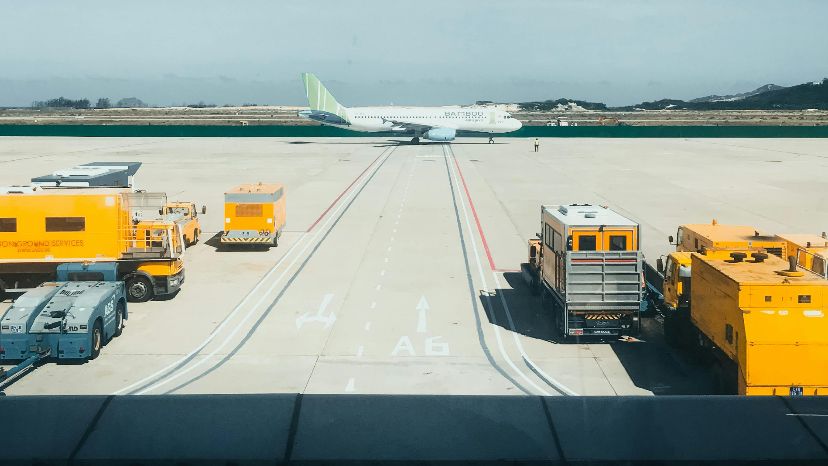
Air freight forwarders do not own aircraft, airports, or airspace. Yet they interact with all of them on every shipment.
A single air cargo movement typically involves:
Airline cargo departments
Passenger airlines using belly cargo space
Dedicated freighter aircraft operators
Airport ground handling agents
Security screening facilities
Customs and border authorities
The forwarder’s role is to coordinate these moving parts. Every handover introduces risk, delay potential, and documentation requirements. Forwarders exist to manage that complexity so the shipment does not fall apart mid-journey.
Capacity Comes Before Demand
One of the most misunderstood aspects of air freight is capacity.
Air cargo does not expand simply because demand increases. Capacity is dictated by:
Aircraft type and payload limits
Passenger demand on specific routes
Airline scheduling and rotations
Crew availability and duty limits
When passenger flights are full, belly cargo space shrinks. When flights are reduced, capacity disappears entirely. Forwarders work inside these conditions, not around them.
This is why urgent cargo can still face delays. It is not always about priority. It is often about whether physical space exists on an aircraft at the required time.
Route Networks Matter More Than Distance
Air cargo rarely travels in a straight line.
Even domestic movements are shaped by airline network design, hub airports, and aircraft positioning. Cargo may move through intermediate airports because that is where aircraft capacity exists.
Routes such as air freight Sydney to Perth look simple on a map, but in practice they depend on:
Aircraft assigned to the route
Passenger load factors
Time-of-day departures
Ground handling availability
Forwarders choose routes based on reliability and capacity, not just geography.
Decision-Making Under Uncertainty
Most air freight decisions are made without full certainty.
Forwarders constantly assess questions like:
Will the cargo make tonight’s flight or roll to the next one?
Is a freighter option more reliable than passenger belly space?
Will weather disrupt inbound aircraft?
Is documentation aligned with destination requirements?
These decisions are often made quickly, sometimes with incomplete information. Experience matters because patterns repeat, even when details change.
Documentation Is as Important as Aircraft
A shipment does not move on aircraft alone. It moves on paperwork.
Forwarders manage:
Air Waybills
Commercial invoices
Packing lists
Export and import declarations
Security and screening records
A single error in documentation can stop cargo entirely, regardless of how much capacity is available. This is why forwarders spend significant time verifying details that shippers often consider minor.
Domestic vs International Operations
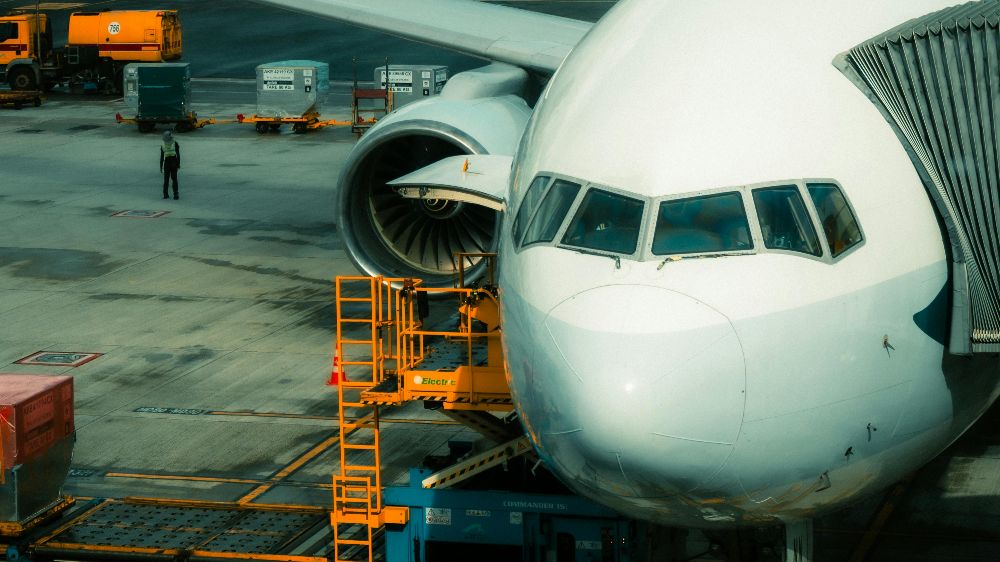
Domestic air freight operates under fewer border controls but still faces infrastructure and scheduling limits. Regional airports may have restricted operating hours, shorter runways, or limited handling capability.
International air freight adds layers of complexity:
Customs clearance requirements
Biosecurity regulations
Destination-specific documentation rules
Transit country restrictions
Forwarders adjust processes depending on whether cargo stays within Australia or crosses borders.
Why Speed Is Never Guaranteed
Air freight is fast compared to other transport modes, but it is not immune to disruption.
Delays can occur due to:
Weather systems affecting aircraft rotations
Airport congestion
Aircraft maintenance issues
Security screening backlogs
Customs intervention
Forwarders plan for speed, but they also plan for failure scenarios. The ability to adapt when things go wrong is often more valuable than raw transit time.
The Role of Relationships and Local Knowledge
Much of air freight operations relies on coordination between people, not systems.
Forwarders work closely with:
Airline cargo teams
Ground handlers
Customs brokers
Airport operations staff
Knowing how a specific airport operates, how a particular airline handles cargo, or when congestion usually occurs can influence outcomes more than software alone.
What Air Freight Forwarders Do Not Control
It is equally important to understand what forwarders cannot control:
Airline flight cancellations
Weather disruptions
Airport closures
Regulatory inspections
Aircraft mechanical issues
Their role is not to eliminate these risks, but to manage them when they occur.
Why Outcomes Vary Shipment to Shipment
Two shipments on the same route can experience very different results. Small differences in timing, documentation, or aircraft assignment can change everything.
This variability is not a flaw in the system. It is a characteristic of aviation logistics.
Forwarders operate by balancing probability, experience, and available options.
Final Thoughts
Air freight forwarders operate inside a system that prioritises aircraft safety, regulatory compliance, and network efficiency. Their work is about making practical decisions when ideal options are unavailable.
Understanding how forwarders operate means understanding the limits of air cargo itself. Once those limits are clear, the logic behind most air freight outcomes becomes easier to see.